Oct 2, 2025
Gear
Jason & Elle of Dekodi show how a single-camera Sony 50mm f/1.2 interview delivers fast, high-quality results—plus clear pros/cons and budget-smart production tips.
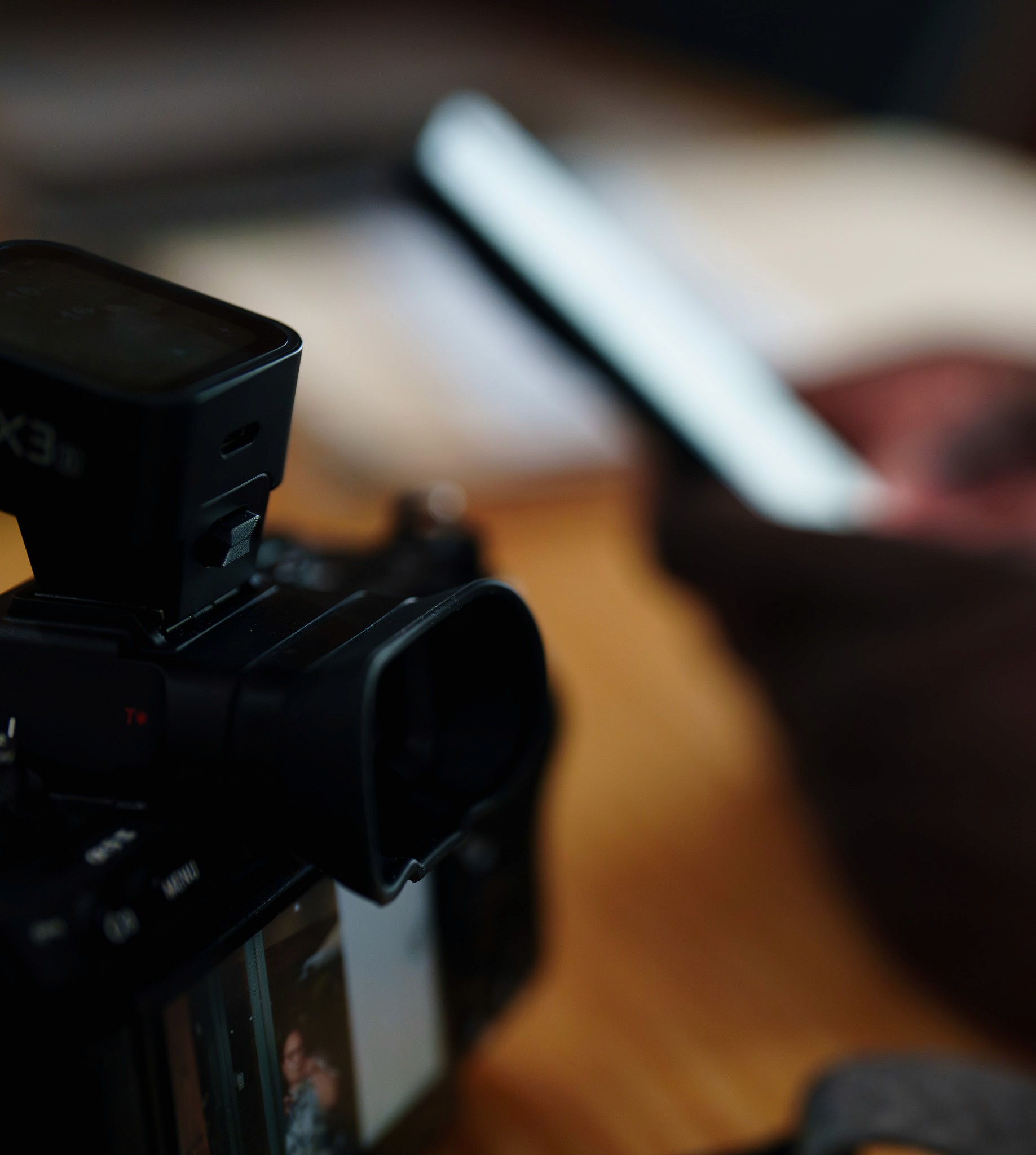
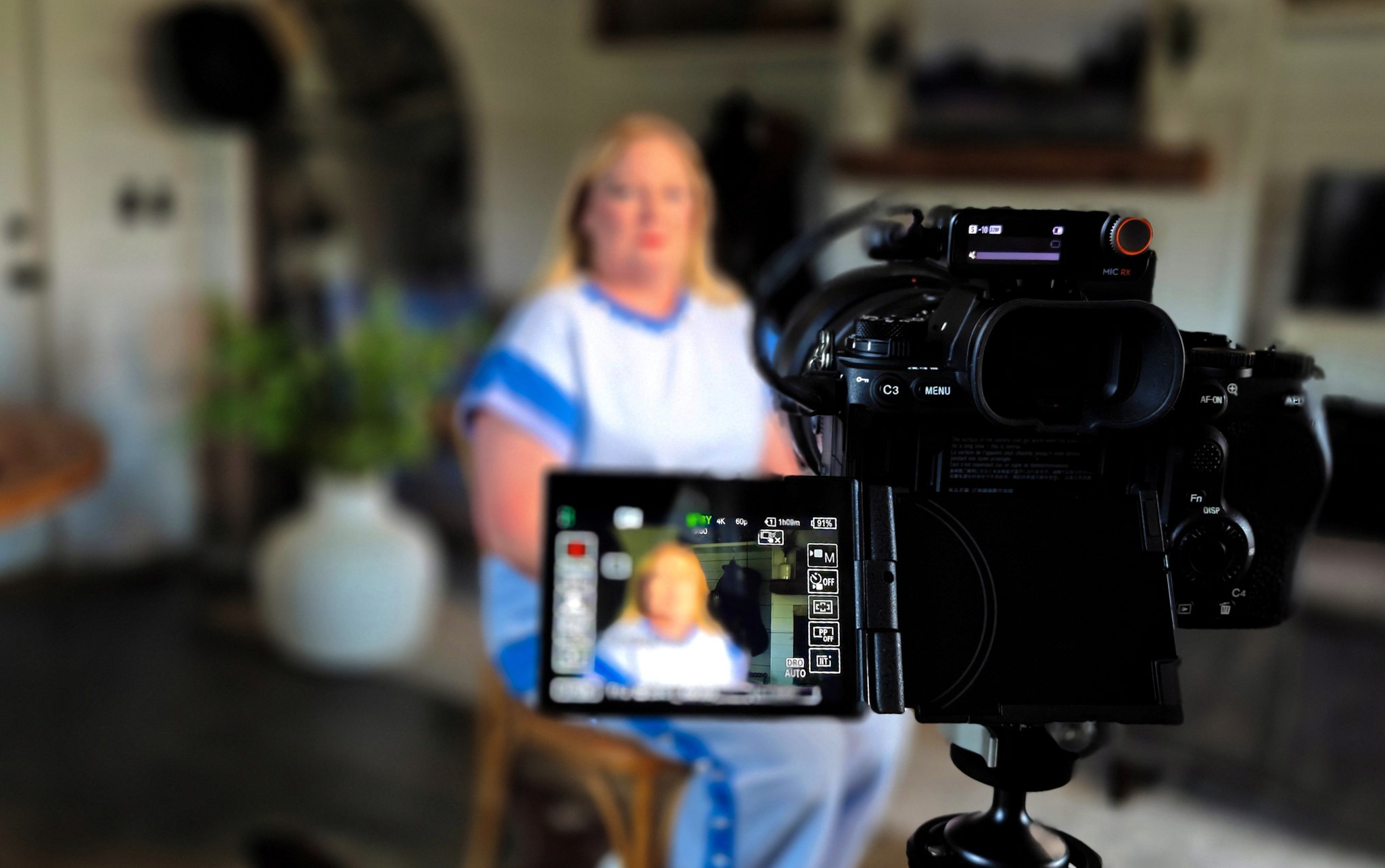
We love a cinematic multi-camera, multi-light production as much as anyone. But when a project needs to be fast, beautiful, and budget-smart, our go-to is a single-camera interview built around the Sony 50mm f/1.2 G-Master. It’s a compact, high-quality setup that delivers premium results without the overhead of a full crew—perfect for brand stories, testimonials, executive messages, and social cutdowns.
Why the 50mm f/1.2?
Flattering, true-to-life perspective
On full-frame, 50mm sits right in that “natural” focal length sweet spot—faces look like faces, not stretched or compressed.Creamy background separation
At f/1.2, we can blur busy environments into soft texture, guiding attention to your subject’s words and expressions.Low-light flexibility
That fast aperture lets us work efficiently with smaller lighting footprints (or natural light) while keeping noise low and skin tones rich.Color and micro-contrast
The G-Master glass renders color accurately with crisp micro-details—so your brand looks polished on any screen.
The Single-Camera Interview: Pros & Cons
Pros
Speed & efficiency
Faster setup, shorter footprint, and fewer retakes. Great for executives with tight calendars or fast-moving locations.Lower production overhead
A smaller crew and streamlined gear list keep costs in check without sacrificing image quality.Authentic performance
One lens, one line of sight. Interviewees relax faster, stay present, and deliver more natural responses.Post-production clarity
A clean master angle avoids awkward angle mismatches and ensures consistent skin tones and lighting.
Cons (and how we solve them)
Less angle variety
Solution: We plan smart cutaways (hands, environment, product), capture B-roll that supports key points, and record room tone for seamless edits.Fewer “live” cut points
Solution: We structure the conversation in sections, coach for short, complete answers, and use pickup lines to bridge thoughts.Limited in dynamic roundtables
Solution: For multi-voice discussions or panel energy, we recommend 2–3 cameras to preserve pace and chemistry.
Where Single-Cam Shines
Customer testimonials that need to feel personal and sincere
Founder or CEO messages where clarity and trust matter most
Recruiting and HR stories focused on people and culture
Short-form social edits (vertical and horizontal) from a clean master take
On-location brand stories where speed and discretion are critical
The Look, The Sound, The Story
A beautiful image is only half the story. Our one-camera interview workflow is built for broadcast-grade audio and editorial flow:
Pro audio chain (lav + boom as backup) for rich, present dialogue
Soft, directional lighting that keeps skin tones true and eyes bright
Intentional composition (eye-line, headroom, negative space) for a signature “Jason & Elle” frame
Guided interview with prepped prompts, run-of-show, and narrative beats
B-roll strategy aligned to your talking points, captured immediately before/after the interview
Budget-Smart Doesn’t Mean “Basic”
You want high quality—without surprise invoices. Here’s how we protect both:
Define the deliverables
What’s the final output—one hero video, or a hero plus social cutdowns? Knowing this up front keeps filming focused and post costs predictable.Prioritize the impact shots
We tailor B-roll to the moments that actually land your message—no aimless montages.Choose the right crew for the goal
Solo/duo for speed and intimacy. Add a gaffer or 2nd cam op when you truly need angle variety or complex lighting.Plan for multi-use
We frame and light so footage repurposes cleanly for website, internal comms, LinkedIn, reels, and ads—max value from one shoot day.Set the edit plan early
We agree on run time, tone, typography, and aspect ratios before we roll. Fewer revisions, faster delivery.
When to Step Up to Multi-Cam & Multi-Light
Panel discussions / debates that need live angle switching and reaction shots
High-stakes brand films where visual variety is part of the creative concept
Product demos that require simultaneous close-ups and wides
Events where continuity and coverage matter more than intimacy
If your story relies on energy, pace, and multiple perspectives, we’ll recommend a 2–3 camera build with a fuller lighting design. If your story relies on clarity, credibility, and connection, our one-camera 50mm setup may be the smarter play.
Recommended Packages (At a Glance)
Essential Interview (Single-Cam, 50mm)
Pre-production consult, guided interview, pro audio, compact lighting, one master edit (plus captions).
Best for: testimonials, leadership messages, recruitment.Interview + B-Roll Upgrade
Everything in Essential + targeted B-roll and 2–3 social cutdowns.
Best for: web + social distribution, campaign landing pages.Multi-Cam Narrative
2–3 cameras, expanded lighting, dedicated gaffer and 2nd op, motion graphics package.
Best for: brand films, panels, complex product stories.
(We’ll match the build to your goals and budget, transparently.)
Bottom Line
A single Sony 50mm f/1.2 interview can look incredible, feel authentic, and respect your budget—especially when speed matters. Multi-cam has its place, and we love building those productions too. The art is choosing the right tool for the story, the timeline, and the spend.
Have a story to tell? Let’s shape it the smart way—fast, beautiful, and on budget.
Jason & Elle · Dekodi Group — People-first visuals. Results-focused production.
More Blog Posts